No Referee, No Rulebook: The Real Risks of Decentralized Betting and How to Stay Protected
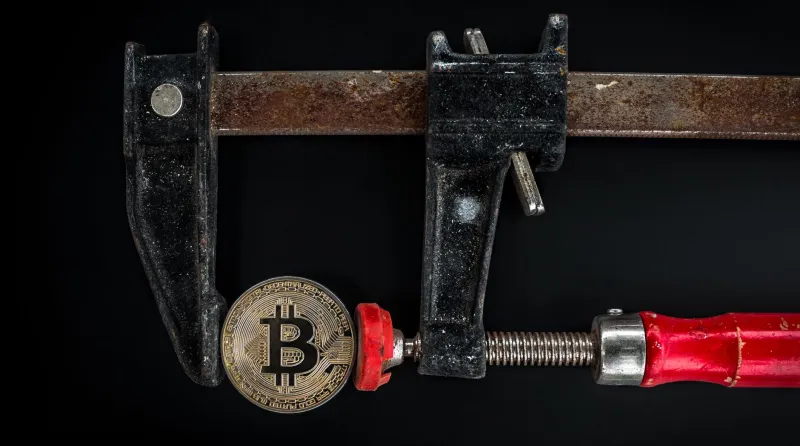
There's a certain thrill that comes with betting on a decentralized platform. No middleman watching your moves, no bank flagging your deposits, no sportsbook arbitrarily limiting your account because you've been winning too much. For a lot of crypto bettors, that freedom is the whole point.
But here's the thing nobody really talks about at the table: that same freedom cuts both ways. The absence of a referee means nobody's blowing the whistle when you get burned.
If you've been wagering on decentralized platforms — or you're thinking about jumping in — it's worth taking a hard, honest look at what you're actually giving up when you trade regulation for autonomy.
The Safety Net You Didn't Know You Had (Until It's Gone)
When you place a bet at a licensed sportsbook operating in a regulated US state, there's a whole invisible scaffolding holding that transaction up. State gaming commissions, licensing requirements, mandatory reserve funds, dispute resolution processes — none of it is glamorous, but all of it exists specifically to protect you as a consumer.
If DraftKings or FanDuel messes up a payout, you have options. You can file a complaint with the relevant gaming authority. You can escalate through consumer protection channels. In extreme cases, you have legal standing to pursue the matter in court. The platform, meanwhile, has every incentive to make it right because their license depends on it.
Now picture that same scenario on a decentralized betting protocol. A smart contract bug drains the liquidity pool. An oracle feeds bad data and your winning bet gets voided. The governance token holders vote on a parameter change that wipes out your position. Who do you call? There's no customer service line. There's no regulator waiting to hear your complaint. And in most cases, there's no legal entity to sue — just a set of smart contracts deployed on a blockchain, operating exactly as written, even when "exactly as written" isn't what anyone intended.
The Legal Gray Zone Is Grayer Than You Think
Decentralized betting platforms don't just exist outside traditional gambling regulation — they often exist outside any clear regulatory framework. In the US, that ambiguity cuts in multiple directions.
On one hand, it means many of these platforms are accessible to American users who couldn't legally use offshore sportsbooks. On the other hand, it means there's no governing body ensuring the platform is solvent, fair, or even honest. "Decentralized" doesn't automatically mean "trustworthy" — it just means the trust has been shifted from an institution to code, and code written by humans can have very human flaws.
The legal gray zone also creates complications for you personally. If you win big on a decentralized platform and something goes wrong during withdrawal, your legal recourse in a US court is murky at best. Courts are still figuring out how to handle smart contract disputes, and the anonymous or pseudonymous nature of many DeFi projects makes finding a liable party genuinely difficult.
What Can Actually Go Wrong
Let's get specific, because the risks aren't just theoretical.
Smart contract exploits are probably the most dramatic failure mode. A vulnerability in the betting protocol's code can allow bad actors to drain funds before anyone even realizes what's happening. Unlike a bank robbery, there's often no way to reverse the transaction or recover the funds.
Oracle manipulation is subtler but just as dangerous. Most decentralized betting platforms rely on external data feeds — called oracles — to determine outcomes. If that data feed is compromised or manipulated, bets can be settled incorrectly, and there's rarely a mechanism to challenge the result.
Rug pulls remain a genuine threat in the DeFi space. A platform can appear legitimate for months, build up a user base, accumulate liquidity — and then the team quietly exits with the funds. Because many of these projects operate pseudonymously, accountability is nearly impossible.
Governance attacks are an emerging concern on platforms that use token-based governance. If a bad actor accumulates enough governance tokens, they can push through protocol changes that benefit themselves at the expense of regular users.
Practical Ways to Protect Yourself
None of this means you should swear off decentralized betting entirely. The freedom, the transparency of on-chain activity, and the accessibility are real advantages worth something. But going in with eyes wide open — and taking a few concrete precautions — makes a significant difference.
Stick to audited protocols. Before you deposit anything, look for platforms that have undergone third-party smart contract audits from reputable security firms. This isn't a guarantee of safety, but it's a meaningful signal that someone has scrutinized the code. If a platform can't point you to a public audit report, that's a red flag worth taking seriously.
Treat your deposit as exposure, not savings. Only put on a decentralized platform what you're genuinely prepared to lose entirely — not just to bad bets, but to technical failure. Think of it as risk capital, not bankroll management in the traditional sense.
Diversify across platforms. Concentrating all your crypto wagering on a single protocol amplifies your exposure to that protocol's specific risks. Spreading activity across multiple platforms doesn't eliminate risk, but it limits how much damage any single failure can do.
Watch on-chain activity before you commit. One of the genuine advantages of blockchain-based platforms is transparency. Tools like Etherscan or Dune Analytics let you see how much liquidity is in a protocol, how active it's been, and whether anything unusual is happening. A platform with thin liquidity or erratic transaction patterns deserves extra scrutiny.
Keep your own records. In the absence of formal dispute resolution, your best protection is documentation. Screenshot your bets, save transaction hashes, and keep a log of outcomes. If something goes wrong and you're trying to make any kind of case — even informally in a community forum — having receipts matters.
Engage with the community. Most legitimate decentralized platforms have active Discord servers, Reddit communities, or governance forums. These are early warning systems. If something sketchy is happening, community members usually notice and sound the alarm before it hits mainstream crypto news.
The Trade-Off Is Real, But So Is the Opportunity
Here's the honest bottom line: decentralized betting gives you something genuinely valuable — autonomy, access, and transparency that centralized platforms can't match. But it asks you to absorb risks that traditional platforms offload onto regulators and compliance departments.
That's not a reason to walk away. It's a reason to show up informed. The bettors who thrive in decentralized environments aren't the ones who ignore the risks — they're the ones who understand them clearly enough to manage them strategically.
The blockchain doesn't care if you win or lose. That's both the beauty and the danger of the whole thing. At ChainBet5, we think that's worth saying out loud, because the best decisions in this space come from clarity, not hype.